Ink Engineered Around Your Process
Electroconductive silver and gold nanoparticle inks engineered for printed electronics, from picoliter-scale inkjet deposition to direct-write and screen-printed traces, formulated against your substrate, cure budget, and conductivity target from the start.
Trusted By





Formulated Against Your Substrate and Process
Metal system, particle loading, and cure profile are chosen together, not layered on after the fact.

Silver Nanoparticle Inks
High conductivity
High-conductivity silver systems for antennas, RFID, and fine-pitch circuit traces, tuned for adhesion and sinter temperature across flexible and rigid substrates.

Gold Nanoparticle Inks
Low-temperature sinter
Corrosion-resistant gold systems for biosensor electrodes and low-temperature substrates where silver oxidation or migration is unacceptable.

Deposition & Process Integration
Inkjet, screen, direct-write, aerosol
Formulation is matched to your deposition method from the start, picoliter-scale inkjet through microliter direct-write, so viscosity and cure profile arrive process-ready.
Typical Performance Envelope
Applications
Where Teams Use This Formulation Work
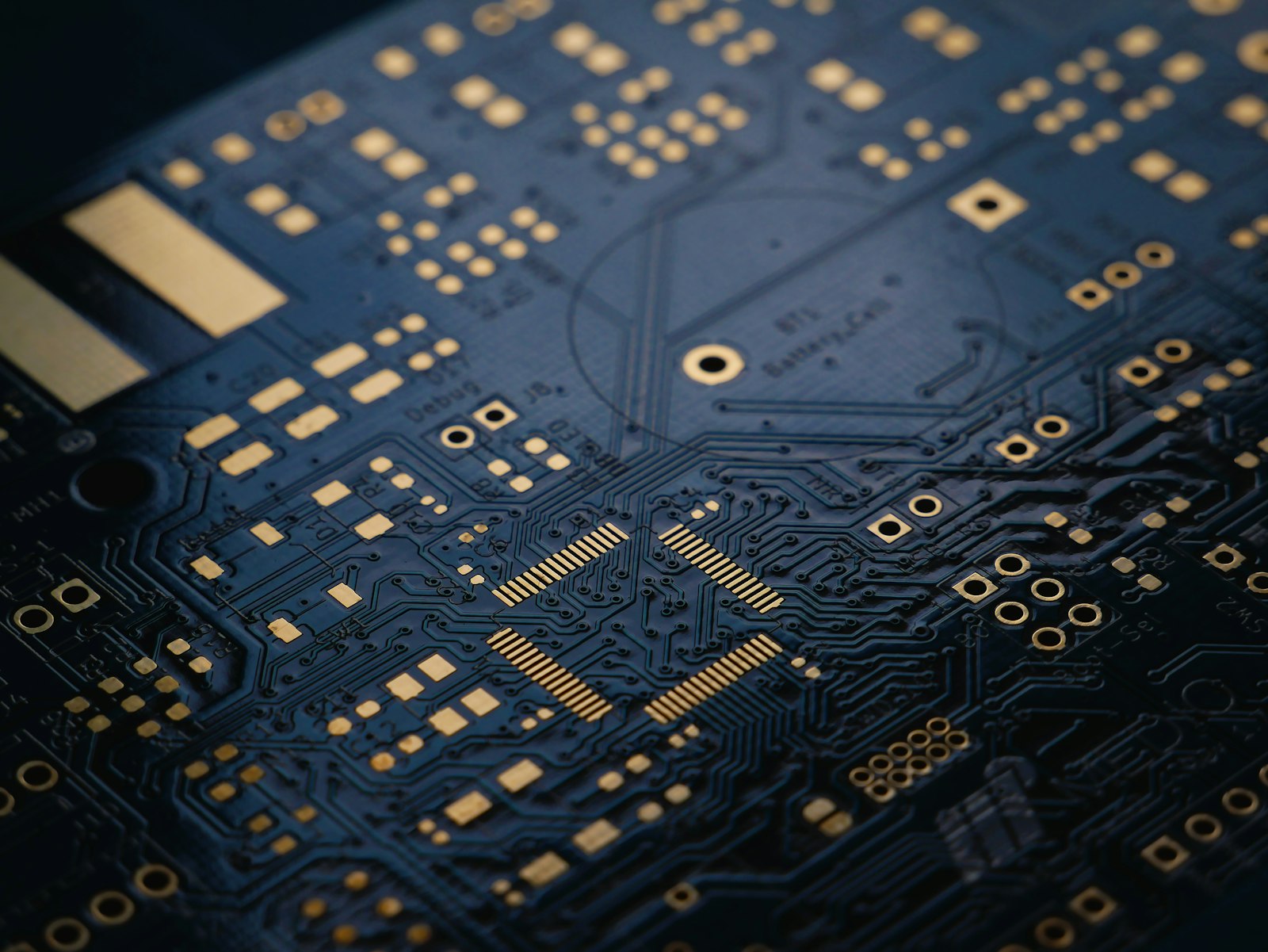
Printed Antennas & RFID
Fine-pitch silver traces tuned for conductivity and adhesion on flexible substrates.
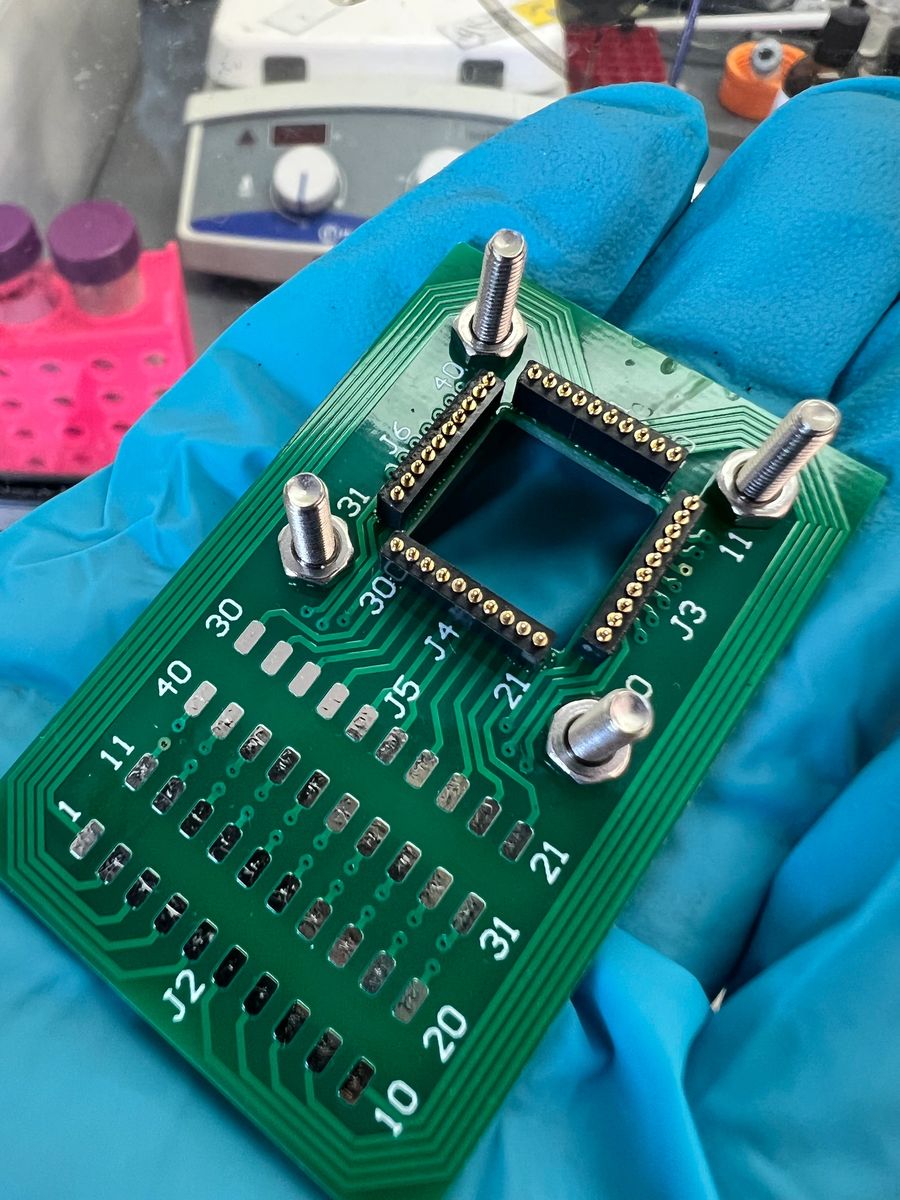
Flexible Circuits & Sensors
Conductive traces that survive repeated flex cycles without cracking or delamination.
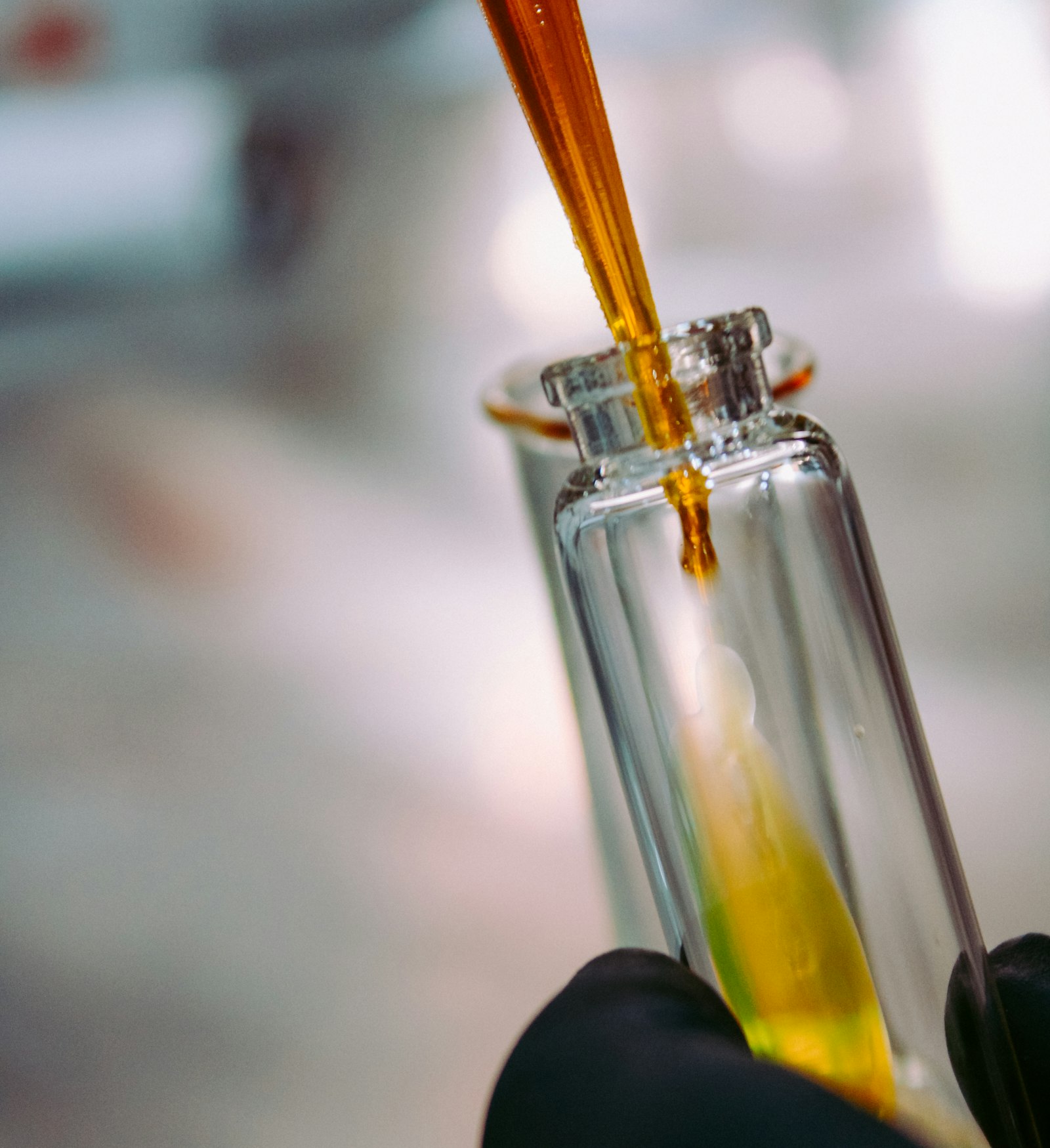
Biosensor Electrodes
Gold systems formulated for biocompatibility and stable electrochemical response.

EMI Shielding
Blanket and patterned silver deposition for shielding effectiveness across target frequency bands.
Photovoltaic Contact Grids
Fine-line silver grids balancing conductivity against shading loss on cell surfaces.

Wearable Electronics
Low-cure-temperature systems compatible with textiles and heat-sensitive substrates.
FAQ
Conductive Inks: Common Questions
Why does my printed silver trace lose conductivity after flexing?
This is usually a formulation-adhesion mismatch: the ink cracks or delaminates under repeated flex cycles instead of staying elastically bonded to the substrate. We tune particle loading, binder chemistry, and sinter profile specifically for flexible substrates so traces survive repeated flexing without cracking.
Why is my sheet resistance inconsistent across a print run?
Inconsistent sheet resistance usually traces back to sinter temperature, deposition method, or ink viscosity not being matched to your process. We formulate and validate ink to your specific deposition method (inkjet, screen, direct-write, aerosol) up front so viscosity and cure profile arrive process-ready and repeatable.
Silver or gold: how do we choose?
Silver gives the lowest resistivity and is the default for antennas, RFID, and general circuit traces. Gold resists oxidation and migration, which matters for biosensor electrodes and long-term reliability in humid or biological environments.
What deposition method should we plan around?
Inkjet suits fine-pitch, low-volume, digital-pattern work. Screen printing suits higher throughput with thicker, more conductive films. Direct-write and aerosol jetting sit in between, useful for 3D or non-planar substrates. We formulate to your method, not the other way around.
Can you match an existing formulation or competitor spec?
Often, yes. Send us the target sheet resistance, substrate, and cure constraint, and a reference sample if you have one. We'll characterize the gap and propose a formulation, verifying with our own profilometry capability where useful.
Do you support production-volume ink supply, or only R&D quantities?
Engagements typically start with R&D-scale samples for qualification, then scale to pilot and production volumes once the formulation is locked, with batch-to-batch consistency documented throughout.
Scope Your Next Project
Answer a few questions and we'll route you to a quote, a live demo, or the right spec sheet. No account, no sales gate.

A structured intake form that routes directly to our applications engineers. No account required.